Matcha, Mindfulness, and Ancient China: The Green Tea Trend That’s Older Than You Think
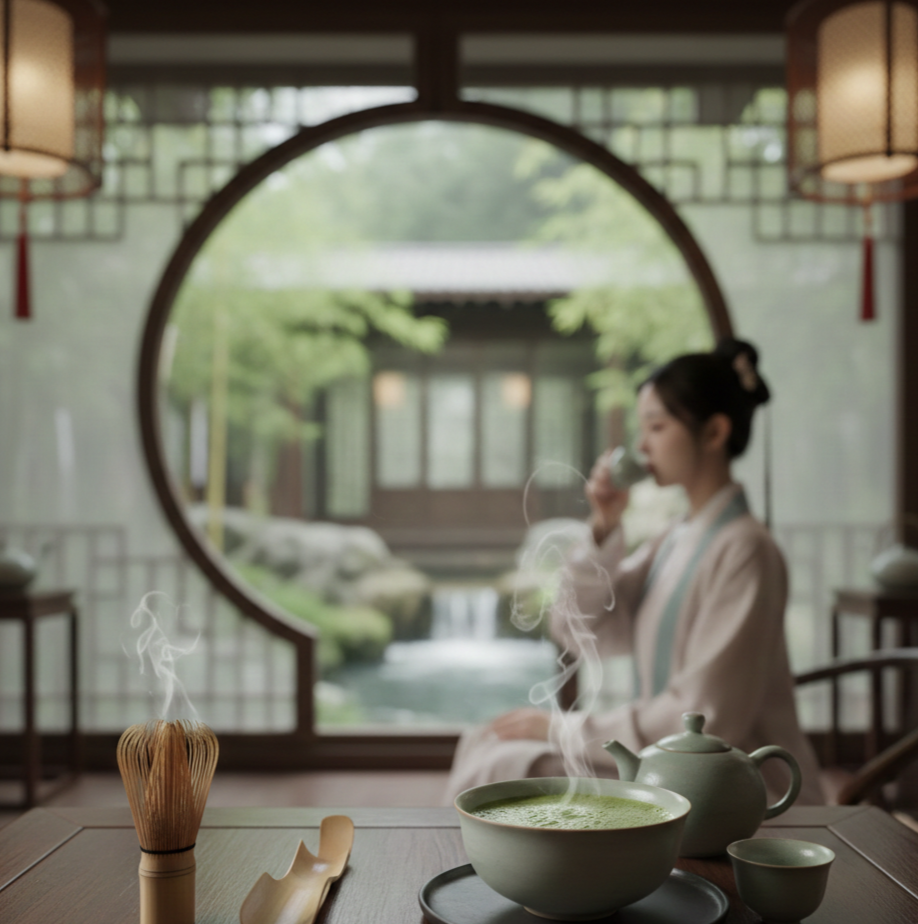
Matcha is having a moment.
It’s glowing green in lattes, folded into pancakes, praised for “clean energy,” and photographed lovingly next to linen napkins and ceramic bowls. But while matcha feels very now, its story begins over a thousand years ago, deep in Chinese mountains, monasteries, and imperial courts.
Before matcha became a modern wellness staple—or a symbol of Japanese tea culture—it was a Chinese invention, shaped by emperors, monks, poets, and philosophers who believed tea was not just something you drink, but something you experience.
Let’s whisk our way back. But before we do, if you’re not so interested in matcha but are interested in going deeper and learning Mandarin Chinese, please consider supporting my website+learning Chinese at the same time by treating your mind to lifetime access of this amazing interactive video course with real Chinese speakers made by my partner, MandarinHQ. It personally helped me so much to get over that nervous feeling while talking to native Chinese speakers because of how the course is designed.
What Is Matcha, Really?
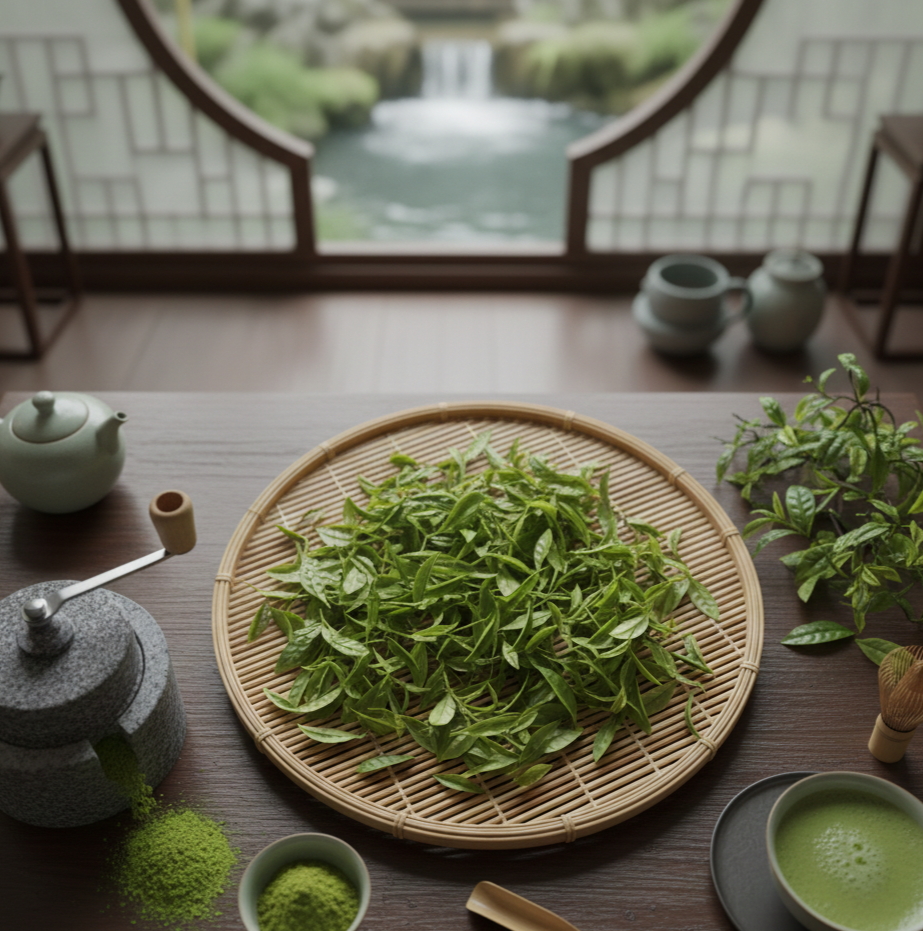
Matcha is a finely ground powder made from specially grown green tea leaves. Unlike loose-leaf tea, where you steep and discard the leaves, matcha lets you consume the entire leaf—which means:
More antioxidants
A deeper flavor
A unique balance of calm focus and gentle energy
But matcha is more than nutrition. It’s a ritual. And that idea comes straight from Chinese culture.
Matcha’s True Origins: Ancient China, Not Modern Cafés
Tea originated in China, and so did matcha.
During the Tang Dynasty (618–907), tea leaves were steamed and compressed into cakes. These cakes were roasted, ground, and whisked into hot water—a precursor to modern matcha.
But it was the Song Dynasty (960–1279) that perfected powdered tea.
At this time, matcha-like tea was:
Stone-ground into a fine powder
Whisked vigorously until frothy
Drunk slowly and mindfully
This wasn’t fast refreshment. It was an art form.
When Tea Became a Competitive Sport (Yes, Really)
Song Dynasty elites loved tea so much they turned it into a game.
Tea competitions (斗茶, dòuchá) judged:
Foam texture
Color (bright jade green was ideal)
Flavor clarity and balance
The best tea produced a smooth, lingering froth—something matcha lovers still chase today.
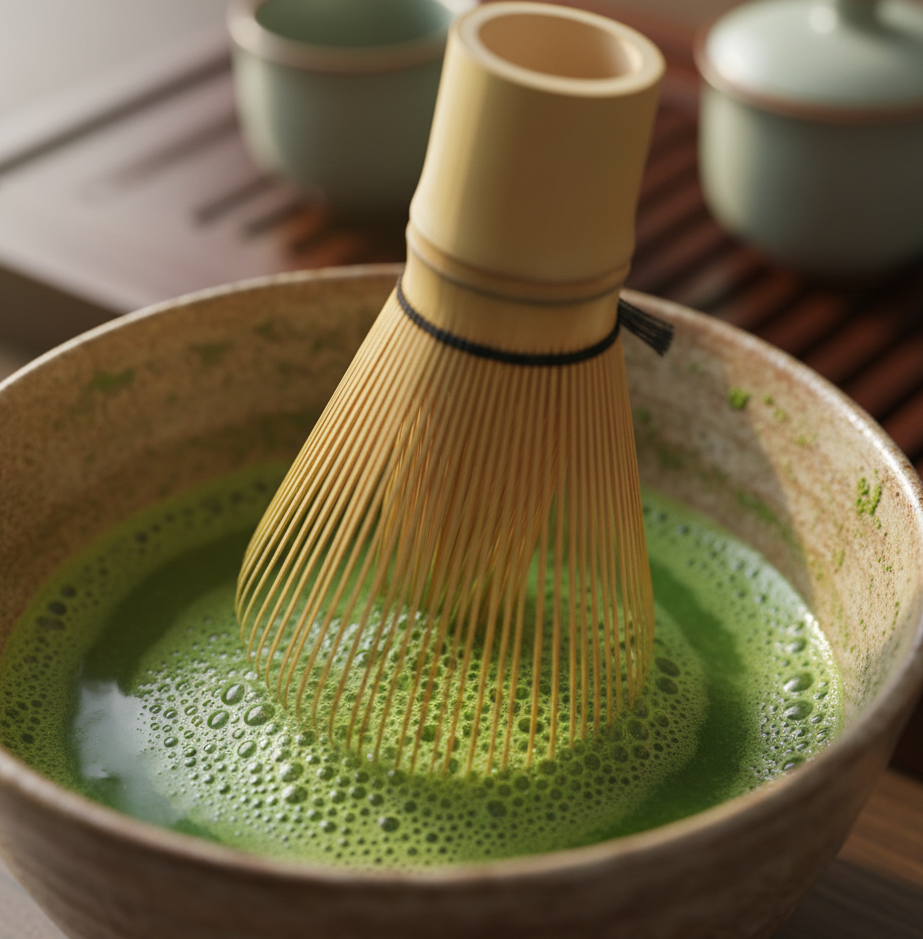
Tea bowls were chosen carefully. Dark-glazed ceramics made the pale foam pop. Even the whisking technique mattered.
In Chinese culture, this reflected a bigger belief:
Everyday acts deserve beauty and intention.
Matcha, Buddhism, and the Art of Being Awake
One of matcha’s deepest cultural roots lies in Chinese Chan Buddhism.
Monks drank powdered tea to:
Stay awake during long meditation
Maintain mental clarity without agitation
Matcha’s natural combination of caffeine and L-theanine created a state monks valued deeply: alert calmness.
This is where matcha becomes more than a beverage—it becomes a tool for mindfulness.

In Chinese philosophy, harmony between body, mind, and nature is everything. Matcha supported that balance beautifully.
From China to Japan—and Why the World Got Confused
In the 12th century, Chinese monks carried powdered tea traditions to Japan. There, matcha was preserved, ritualized, and eventually transformed into the Japanese tea ceremony we recognize today.
Meanwhile, China moved on.
During the Ming Dynasty, loose-leaf tea replaced powdered tea as the dominant style. Matcha faded from daily Chinese life—but not from its legacy.
So the truth is:
China created matcha
Japan safeguarded it
The modern world rediscovered it
A cultural relay across centuries.
Matcha Through the Lens of Chinese Philosophy
🌿 Harmony with Nature (天人合一)
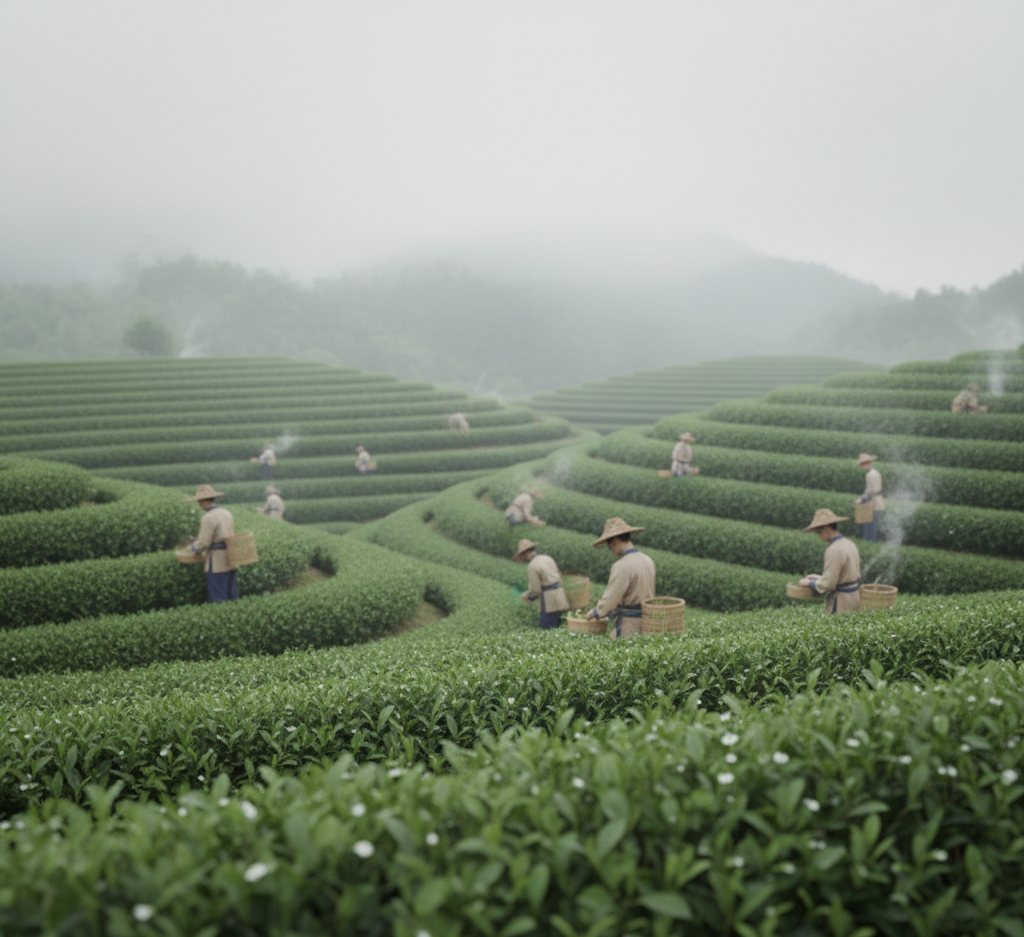
Matcha is grown slowly, often shaded, and minimally processed. It reflects a Chinese ideal: working with nature, not against it.
☯️ Balance (阴阳)
Matcha balances:
Bitter and sweet
Energy and calm
Strength and softness
Very yin-yang, very intentional.
🫖 Ritual in the Everyday
Chinese culture values small rituals. Preparing matcha—scooping, whisking, sipping—turns an ordinary moment into a grounding pause.
No rush. No excess. Just presence.
What Matcha Should Taste Like (A Quick Guide)
Good matcha isn’t just “green.”
You might notice:
🌱 Fresh grass or spring greens
🌰 Soft nuttiness
🍃 Gentle umami
🍯 A subtle sweetness at the finish
If it’s overly bitter or dull? That’s usually low quality or overheated water.
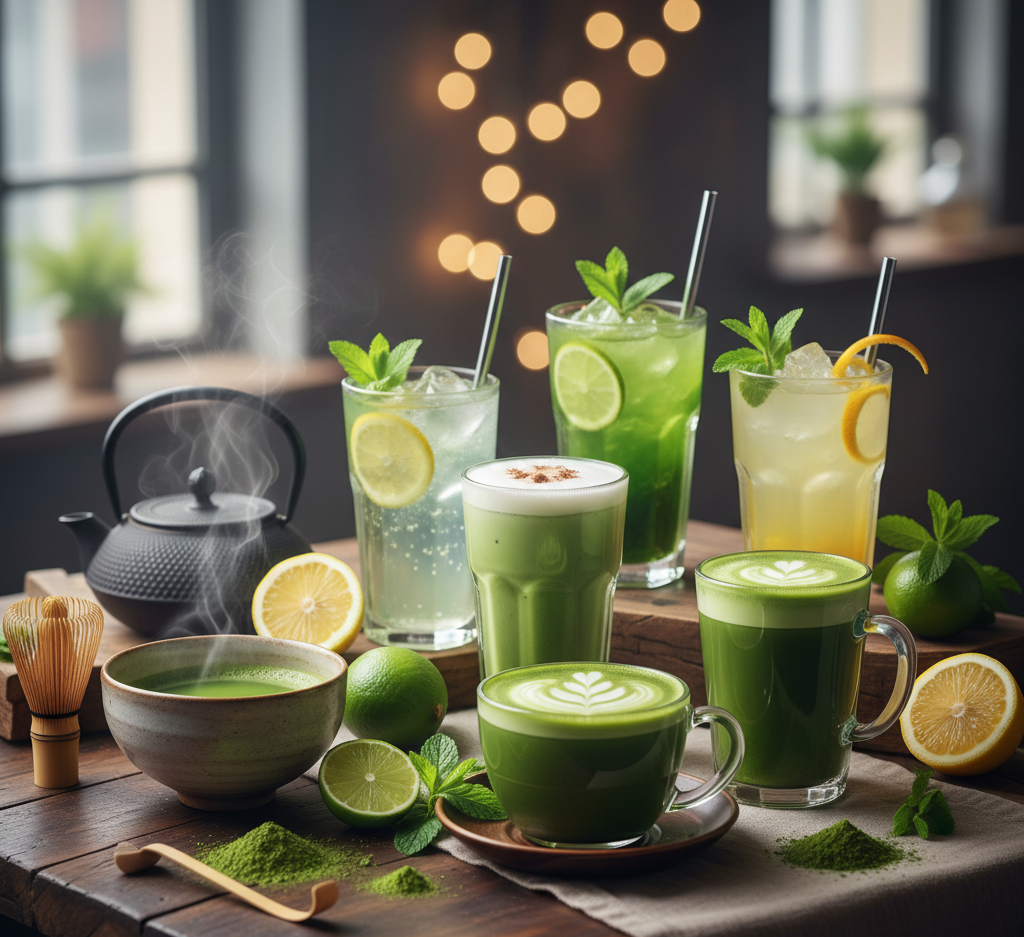
Simple Matcha Recipes (Ancient Spirit, Modern Kitchen)
Classic Matcha (Traditional Style)
You’ll need:
1–2 tsp high-quality matcha
70–80°C hot water (not boiling)
How:
Sift matcha into a bowl
Add a small amount of water
Whisk in a “W” motion until frothy
Sip slowly
Think of this as meditation you can drink.
Creamy Matcha Latte (Modern Favorite)
1 tsp matcha
60 ml hot water
200 ml warm milk (dairy or plant-based)
Optional: honey or maple syrup
Whisk everything together and enjoy. Earthy, comforting, and perfect for slow mornings.
Matcha + Honey + Citrus (Refreshing Twist)
Matcha whisked with water
A teaspoon of honey
A squeeze of lemon or yuzu
Bright, ancient-meets-modern energy.
Why Matcha Feels So Right Today
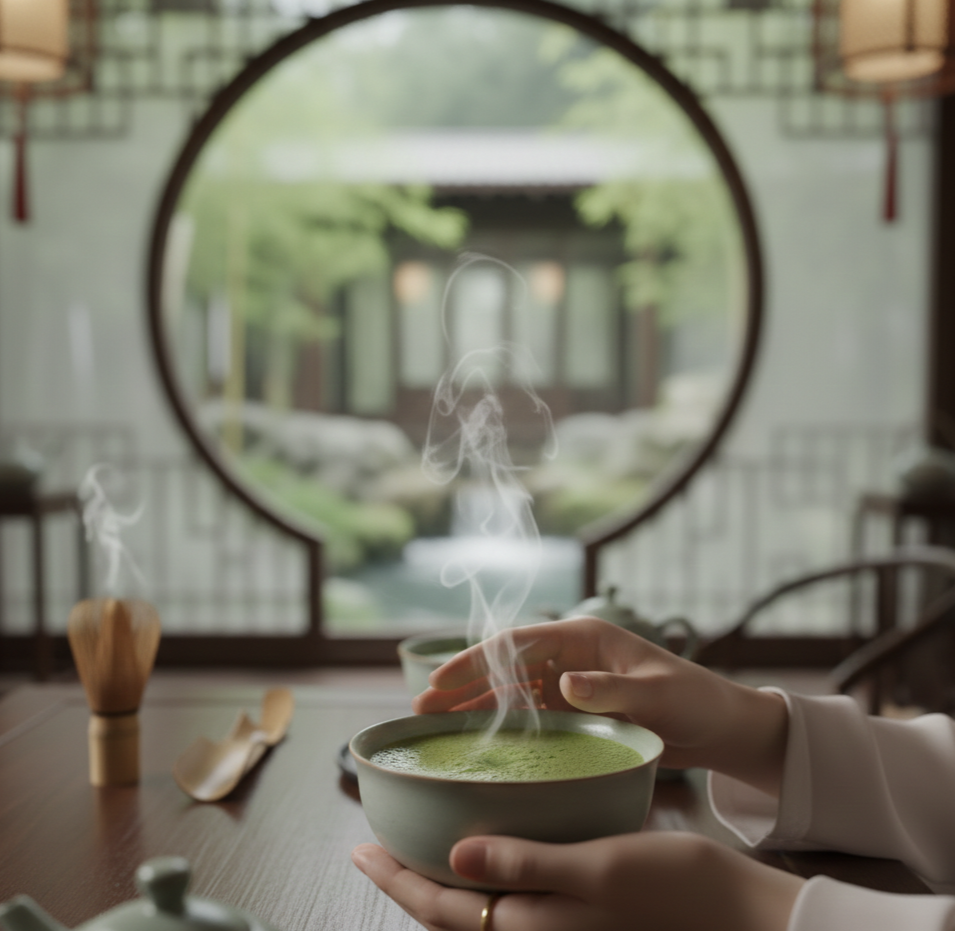
In a world obsessed with speed, matcha asks us to pause.
When you drink matcha, you’re not just consuming a superfood—you’re participating in:
A Chinese cultural tradition
A Buddhist mindfulness practice
A historical art form
A global story of exchange and evolution
That vibrant green color?
It’s centuries of culture, finely ground.
Final Sip: Drinking Matcha with Intention
Next time you make matcha, remember these steps:
Slow down
Watch the foam rise
Smell the freshness
Take the first sip without multitasking
You’re not just following a trend.
You’re continuing a ritual that began long before modern life—and somehow still fits perfectly into it.
Going Deeper into Chinese Culture
If learning about matcha green tea interested you, then you might also be curious about other aspects of Chinese culture. There are lots of interesting posts on this blog, but if you really would like to get to know a culture from the inside, I would recommend you begin to study Chinese. Sounds daunting? I thought so too, but I found that there are a lot of new methods to learn Chinese, even as an adult, that are not only a good workout for your memory and brain, but are also actually fun (no joke!). I decided to partner with my Chinese friend, Angel, the owner of MandarinHQ to offer my readers access to a lifetime course for learning Chinese. As it’s not subscription-based, you can take your time and learn at a pace that works for you. Follow this link here to get the course- your purchase will help me to keep this website active.